Creating a long-term exposure record
The WEL transition also places greater attention on the quality and accessibility of exposure records.
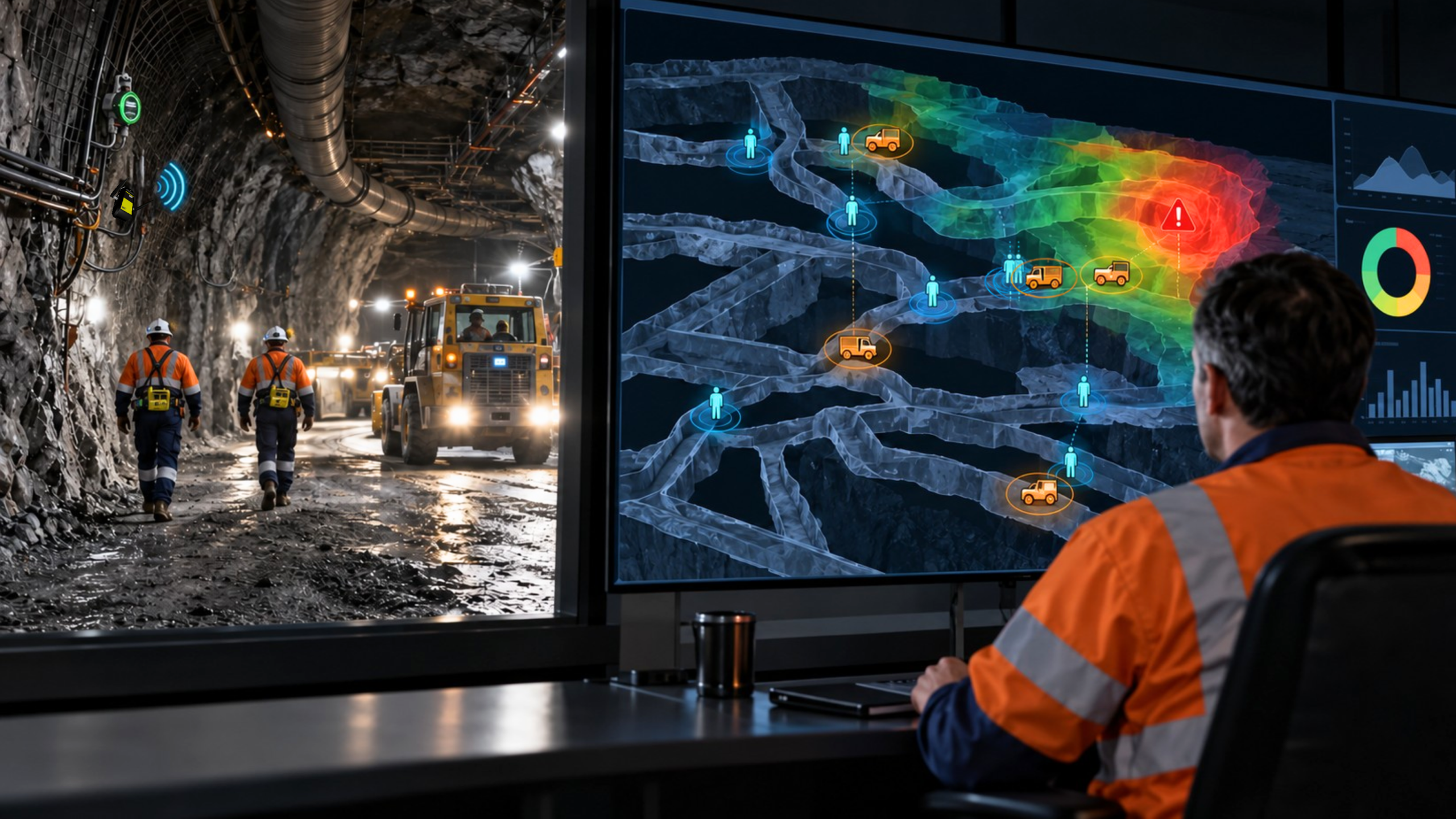
HELIX can retain environmental readings, personnel and asset movements, alarm histories, responses and trend information according to the mine’s configured retention and governance policies. This makes it possible to examine patterns across shifts, work areas or extended operating periods rather than treating each sample as an isolated result.
Over time, these records can help mines identify recurring hotspots, compare conditions before and after control changes, prioritise ventilation improvements and demonstrate how exposure risks have been managed.
They can also provide a stronger foundation for audits and incident investigations. Instead of reconstructing an event from paper records and separate systems, authorised teams can review a connected timeline showing the environmental condition, the people and equipment present, the alarms generated and the actions recorded.
Preparing before the deadline
The transition date may be 1 December 2026, but an effective exposure-management system cannot be designed, installed and validated overnight.
Mines need time to identify their airborne hazards, confirm applicable limits, establish baseline conditions, select suitable instruments, integrate tracking and operational data, configure alarm rules and test how personnel respond.
The strongest outcome will not come from installing another detector and waiting for it to alarm. It will come from building a connected system capable of answering the questions that matter: Where are our people? What are they being exposed to? What is contributing to the exposure? What action should be taken—and can we demonstrate that it occurred?
By combining real-time monitoring and reporting, personnel and asset tracking, intelligent control and long-term reporting, MST Global’s HELIX ecosystem moves exposure management beyond detection.
It gives mines the ability to see changing conditions sooner, understand their operational context and act before a reading becomes an incident.